

Why Aren't Floor-to-Ceiling Windows Popular in Europe? Why Are So Many Windows So Small?
In many Chinese cities, the more prosperous the area, the taller the buildings tend to be. Large floor-to-ceiling windows and glass curtain walls have become defining features of modern architecture.
Europe, however, presents a completely different picture. Even in the centres of cities such as Paris, Lisbon, and Rome, you rarely see residential buildings covered in glass façades. In fact, many homes have windows that are much smaller than people expect.
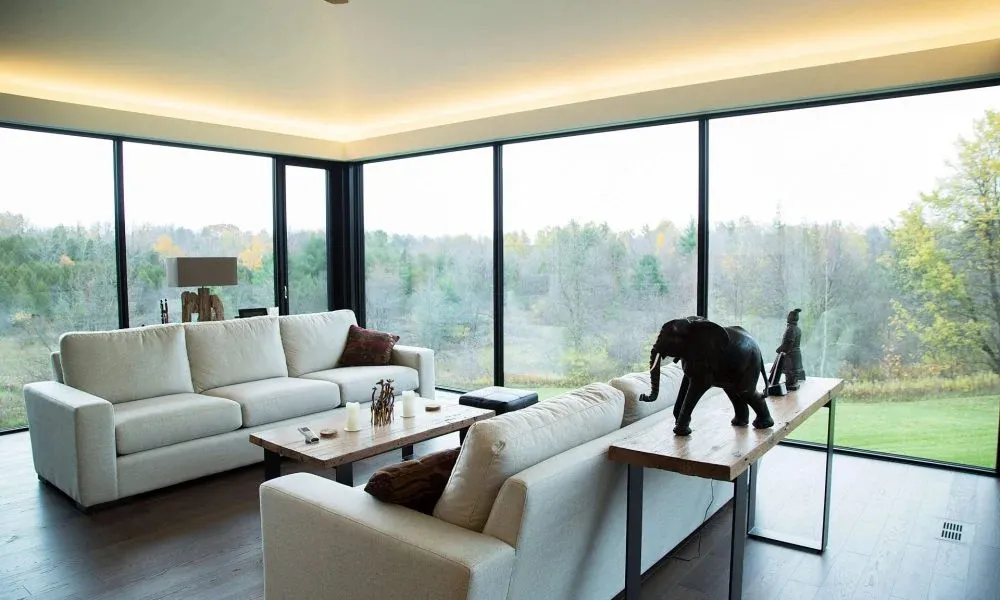
Europe has advanced construction technology, so why do so few urban homes feature large floor-to-ceiling windows?
The truth is, Europe is perfectly capable of building glass-fronted homes. If you’ve visited Portugal’s Algarve, the Spanish coast, or other Mediterranean resort destinations, you’ll find that floor-to-ceiling windows, expansive balconies, and full-height glass façades are actually very common.
What is less common is finding them in Europe’s historic cities and established city centres. The reasons have a lot to do with climate, the age of the buildings, energy efficiency, and urban conservation.
European Homes Were Originally Designed to Keep Warm
Before air conditioning and modern heating systems became widespread, windows were one of the biggest sources of heat loss in a building.
In countries such as the United Kingdom, France, Germany, and much of Northern Europe, long, cold winters were the primary challenge architects needed to solve. The larger the window, the more heat escaped through the glass and window frames, making homes more expensive to heat.
For this reason, traditional European buildings were designed with thick masonry walls, relatively small window openings, wooden shutters, and heavy curtains to minimise heat loss.
For people living at the time, staying warm during winter was far more important than having an entire wall made of glass.
In other words, the small windows found in many older European homes were not an aesthetic choice. They were the most practical solution given the construction methods and energy conditions of the time.
Glass Technology Was Very Different Back Then
The popularity of today’s floor-to-ceiling windows depends largely on modern technologies such as double or triple glazing, Low-E coatings, thermally broken window frames, and advanced sealing systems.
In the past, however, large glass panels provided poor insulation, were extremely expensive to manufacture, and offered limited structural strength and weather resistance. The larger the window, the colder the home became in winter, the hotter it became in summer, and the greater the risk of drafts and water leakage.
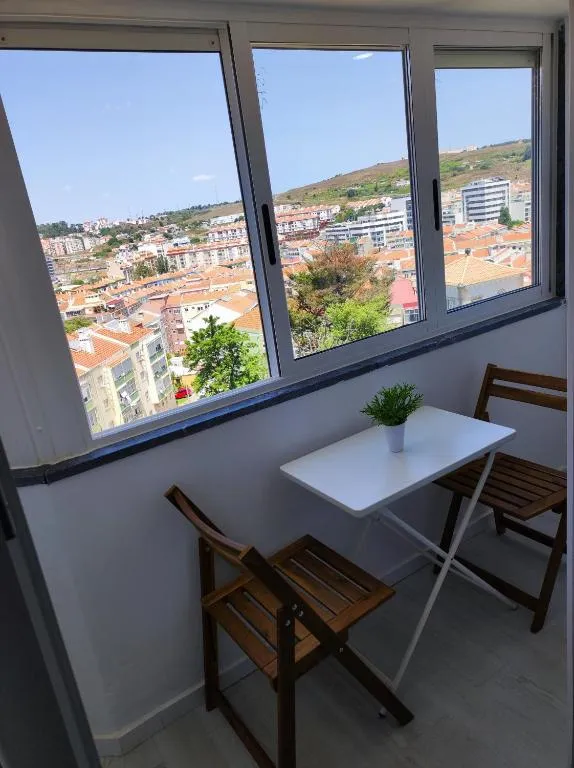
As a result, many traditional European homes were designed with taller, narrower windows rather than entire glass walls. This proportion allowed natural light into the home while helping reduce heat loss and better suited the structural requirements of traditional masonry buildings.
Historic Buildings Face Significant Restrictions on Window Alterations
Many homes in European cities are built with load-bearing masonry walls, meaning the walls themselves support the weight of the building. Windows cannot simply be enlarged at will, as every new opening affects the building’s structural integrity.
For buildings that are decades or even centuries old, converting a small window into a floor-to-ceiling opening involves much more than removing part of a wall. It may require structural reinforcement, façade modifications, waterproofing work, and official building permits.

If a property is located within a historic district or is protected as a heritage building, the restrictions become even stricter. In cities such as Paris, Lisbon, and Rome, the façade, window proportions, frame materials, and even colours may all be protected by planning regulations.
European Cities Place Great Importance on Architectural Harmony
In many historic European districts, an individual building is not viewed in isolation but as part of an entire streetscape.
The size and arrangement of windows, the design of balconies, and the height of roofs all contribute to the visual identity of a neighbourhood. If every homeowner were free to enlarge windows or install different types of glazing, the historic character of the area would quickly disappear.
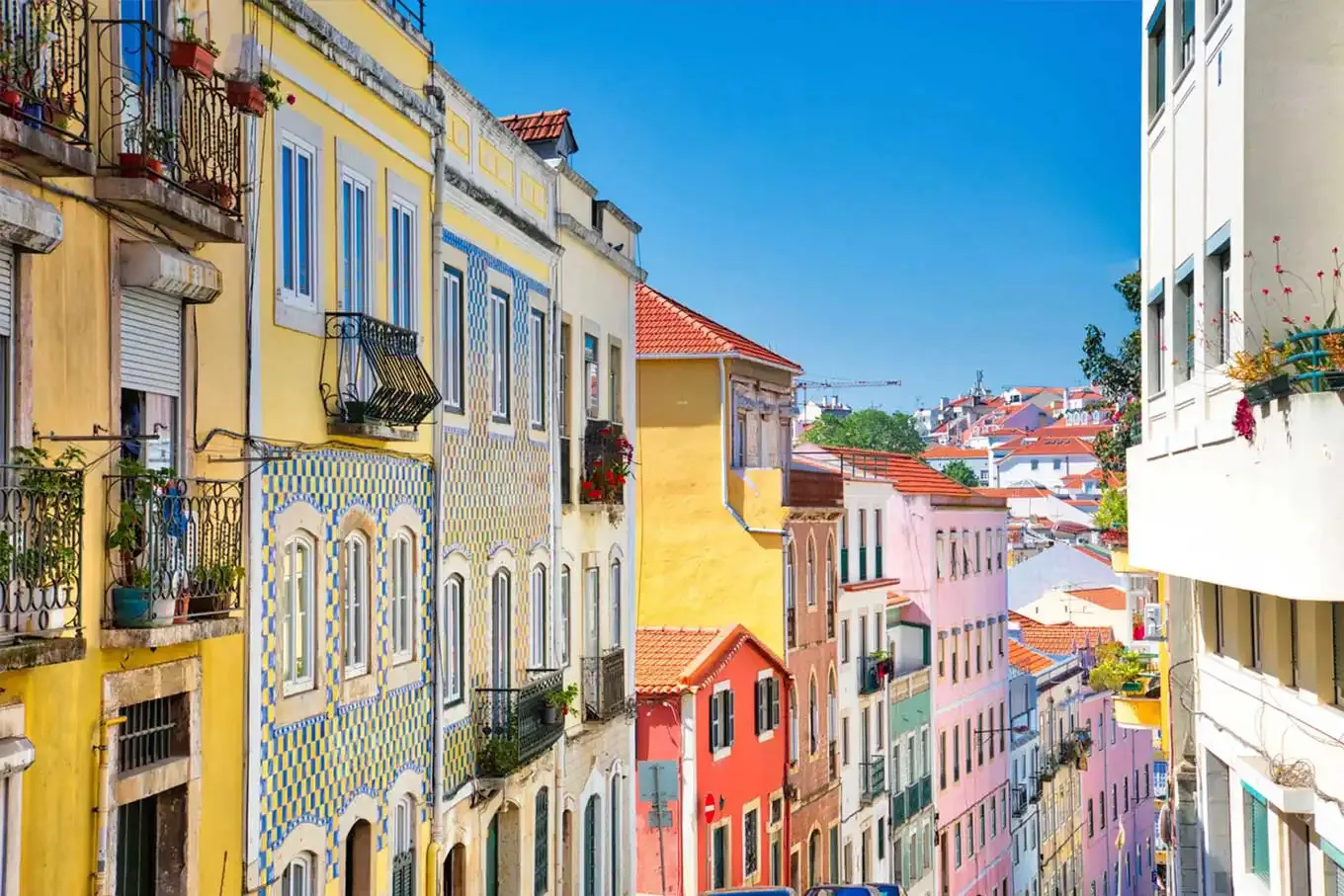
Even today, new developments and renovation projects must go through extensive planning approval before construction begins. Developers are required to submit architectural plans to local authorities, who review factors such as urban planning policies, building height, façade design, construction materials, and how well the project fits into its surroundings. Construction can only begin once the project has been officially approved.
This is why modern buildings in many European cities still blend naturally with their surrounding neighbourhoods rather than creating a completely different architectural style.
It also explains why many European homes may have fully modern interiors while their window proportions, façades, and overall appearance remain almost unchanged from decades or even centuries ago. What European cities protect is not just individual buildings, but the character of the city as a whole.
Modern European Homes Are Increasingly Embracing Large Glass Windows
That said, large expanses of glass have become increasingly common in new apartment developments, contemporary villas, and office buildings. Thanks to advances in glazing technology, solar shading systems, and energy-efficient building standards, developers can maximise natural light while maintaining excellent thermal performance.
This is particularly evident in sunny countries such as Portugal and Spain, where modern residential projects increasingly prioritise daylight, views, and seamless connections between indoor and outdoor spaces. Floor-to-ceiling windows, large sliding doors, and glass balconies have become standard features in many new developments.

The smaller windows people often associate with Europe are therefore largely characteristic of historic buildings and traditional housing, not of modern European architecture as a whole.
In reality, contemporary European architecture is constantly seeking a balance between preserving history and embracing modern living. While cities continue to protect the historic character built up over centuries, they are also incorporating new materials, innovative technologies, and higher energy-efficiency standards to create homes that are brighter, more comfortable, and better suited to modern lifestyles.