
Why Don’t Europeans Like Living in High-Rise Buildings?
If you have travelled around Europe, you may have noticed something interesting: in many major Asian cities, urban development often goes hand in hand with taller and taller buildings.
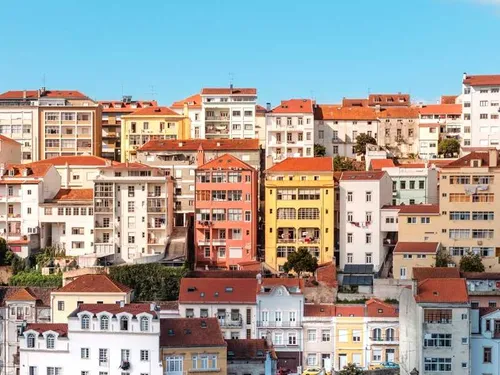
In cities like Shanghai, Hong Kong, and Singapore, residential towers with dozens or even hundreds of floors are extremely common. But when you visit Europe, even in capital cities such as Paris, Rome, and Lisbon, the most central areas are often filled with older buildings that are only five or six storeys high.
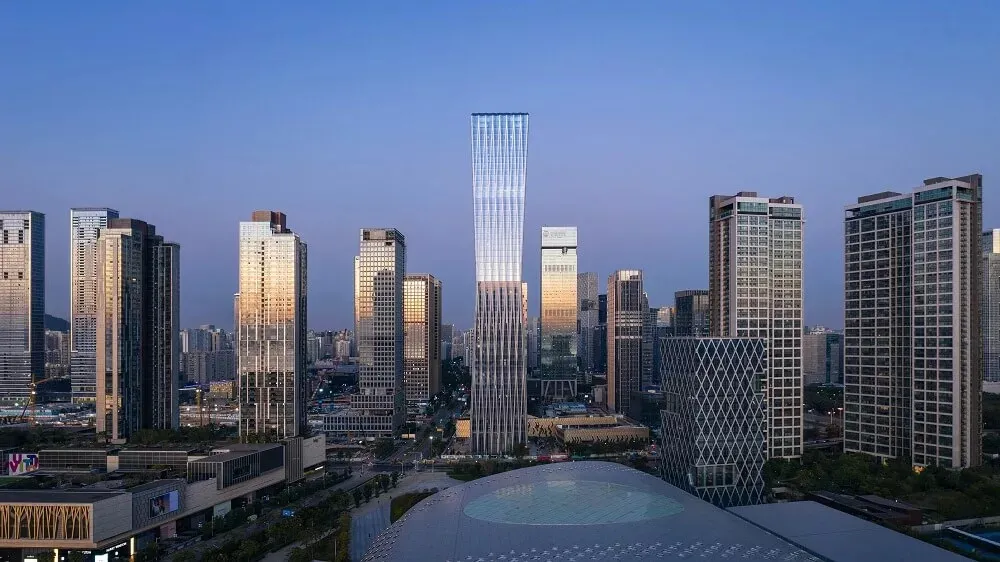
Many people wonder: if city-centre land is so valuable, why not simply demolish these buildings and replace them with skyscrapers?
In reality, the reason is not a lack of technology, but a completely different approach to urban development.
European Cities Are Not Unable to Build Skyscrapers, They Simply Choose Not to Change Their Cities So Easily
The historic centres of many European cities were established long before modern high-rise buildings existed. In cities such as Paris, London, Lisbon, and Rome, many neighbourhoods were formed hundreds of years ago.
These buildings are not just places to live; they are also part of the city’s history. As a result, many European cities have strict regulations protecting their historic districts. Building façades, street proportions, roof heights, and even window designs may all be subject to restrictions.
Demolishing an old building and replacing it with a 50-storey residential tower is almost impossible in many areas. Because what is being protected is not just one building, but the entire historical character of the city.
Europe Values Neighbourhood Living More Than Building Height
In many Asian cities, the solution to population growth is to build upwards, using limited land to accommodate more people through high-rise residential developments.
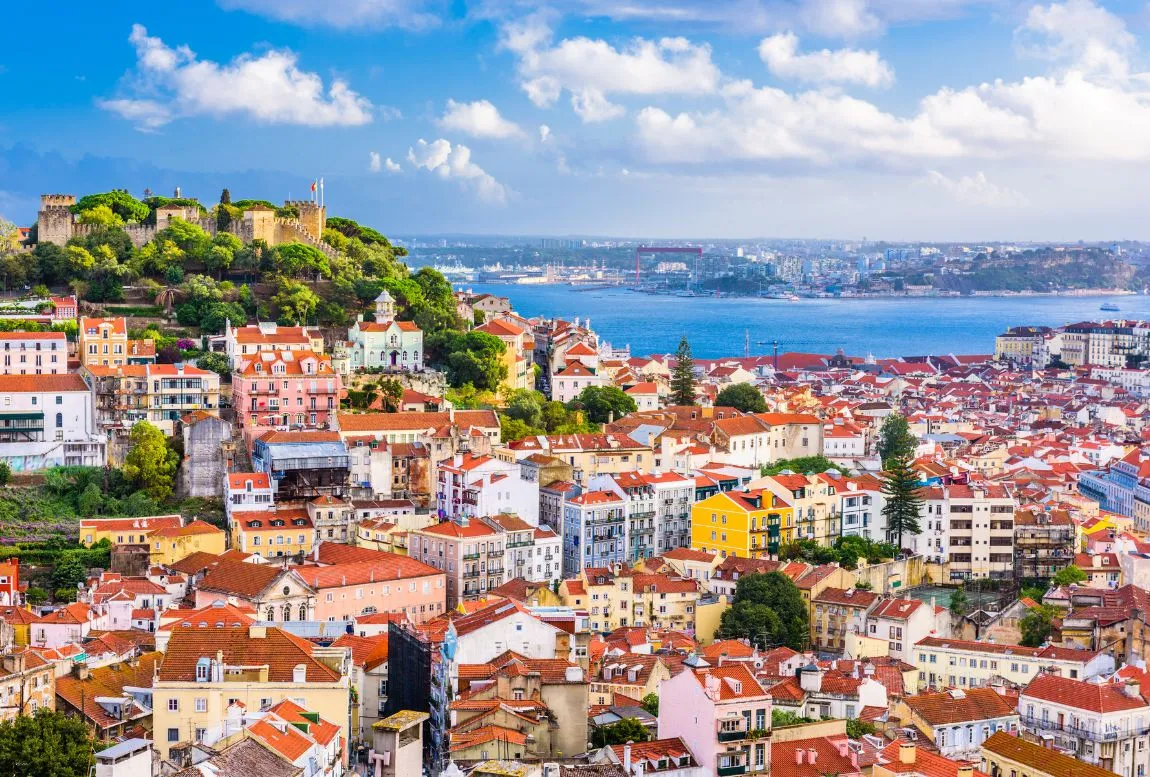
However, traditional European urban planning places greater emphasis on the human scale of everyday life.
For example, having cafés, restaurants, and shops downstairs; being able to walk to schools, parks, and markets; and maintaining a close connection between residents and the surrounding urban environment.
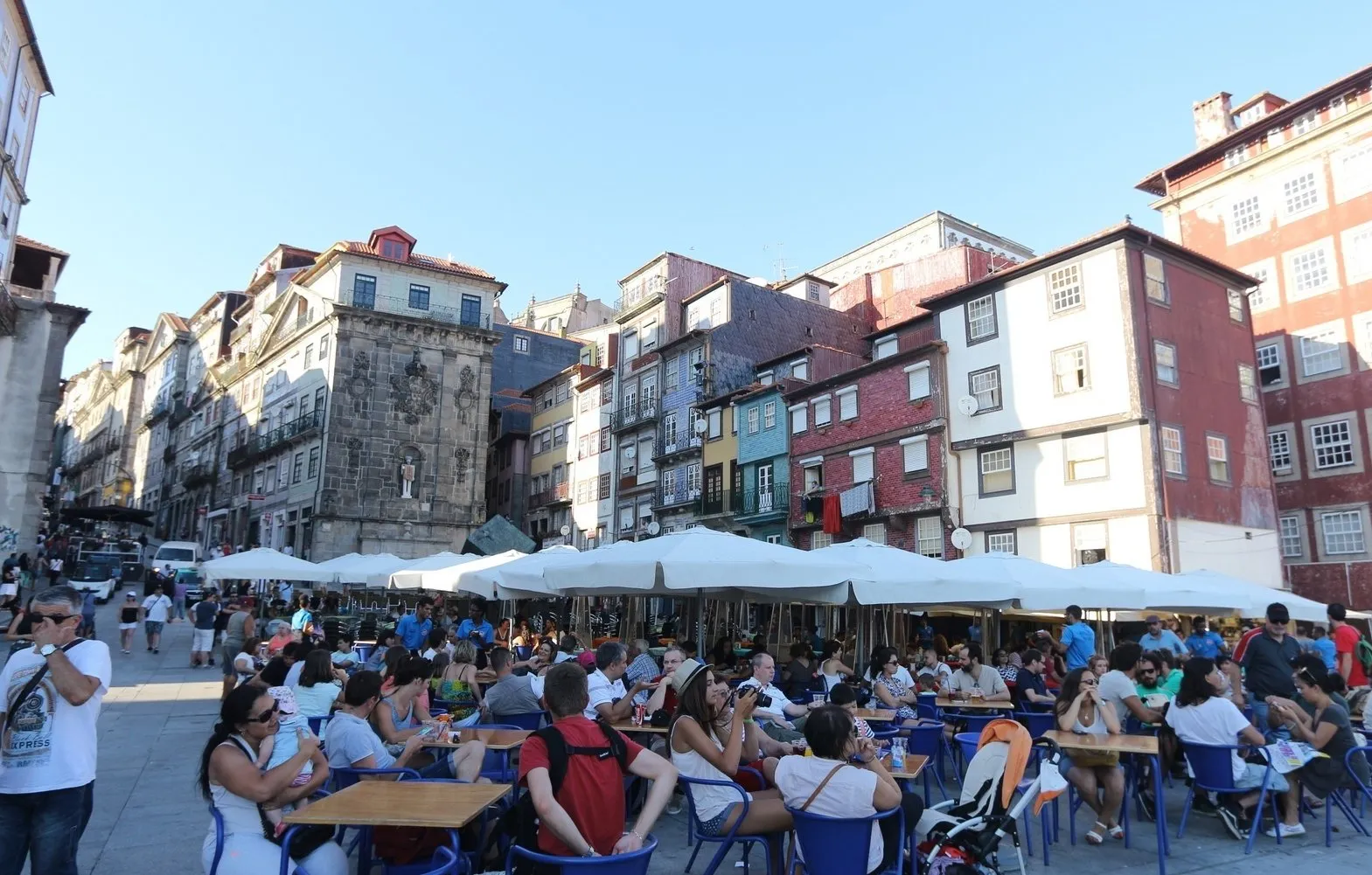
Therefore, many European cities prefer to maintain a medium-rise, high-density neighbourhood structure rather than filling the skyline with residential towers.
In other words: Asian cities often stack people vertically, while European cities tend to spread daily life horizontally.
The City Skyline Is Also an Asset
For many European cities, building height is also closely connected to another important factor: preserving the urban landscape.
For example, Paris has long maintained height restrictions in its central areas to protect the Eiffel Tower, historic architecture, and the overall character of the city skyline. If large numbers of skyscrapers entered historic districts, they could permanently alter the visual identity that these cities have developed over centuries.
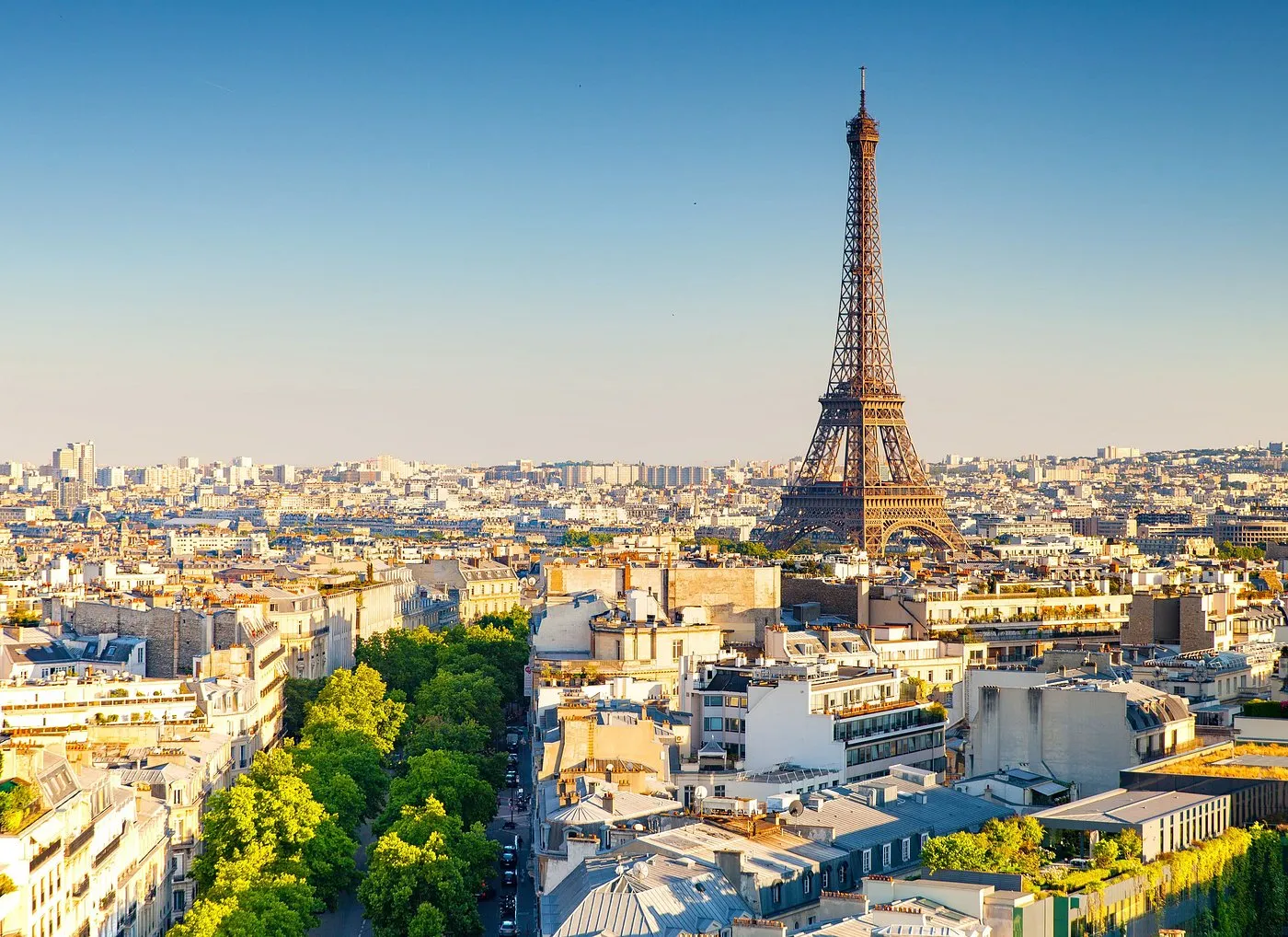
In many parts of Europe, the city itself is one of the most valuable assets.
Protecting the city also means protecting its long-term value.
This Also Influences the European Property Market
One consequence of low-rise buildings and strict urban planning is that housing supply in prime locations is difficult to increase quickly.
Cities cannot endlessly demolish old buildings and rebuild, nor can they simply create thousands of new homes by adding high-rise towers.
At the same time, more and more people want to live in these areas. Employment opportunities, educational resources, businesses, and transport networks are all concentrated in established urban centres.
When demand remains strong but new supply is limited, properties in core locations naturally become increasingly scarce over the long term.
This is why many city-centre properties in Europe can still hold significant value, even if the buildings themselves are decades or even centuries old.
Real Estate Value Is Not Just About the Building Itself
Many people are surprised when they first look at European properties: “Why can such an old building still be so expensive?”
The reason lies here. In mature European cities, buying property is often not just about buying square metres. You are also buying urban resources, location value, and long-term scarcity.
High-rise buildings represent one model of urban development.
Europe has chosen a different path: preserving history and allowing cities to evolve gradually.
That is why streets and buildings created hundreds of years ago can still remain some of Europe’s most valuable assets today.