
Portugal Real Estate Market Trends: Supply and Demand Shifts and National Competitiveness Behind Rising Property Prices
Over the past few years, Portugal’s real estate market has continued to attract attention. Rising residential property prices, housing supply shortages, new housing development, and the outlook for real estate investment have become important issues for understanding Portugal’s economic and urban development.
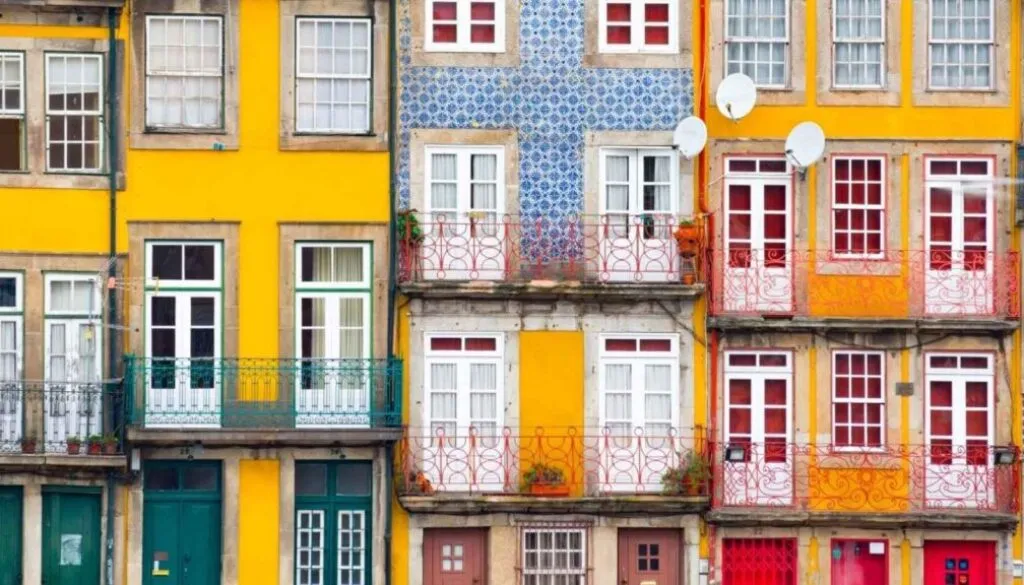
According to data from Statistics Portugal (INE), the median transaction price of residential properties in Portugal reached €2,076 per square metre in 2025, representing a year-on-year increase of 16.8%, while the country’s annual House Price Index rose by 17.6%. The latest Eurostat data show that Portuguese house prices increased by a further 10.3% in the first quarter of 2026 compared with the 2025 annual average, the highest increase in the European Union. These figures provide the clearest indication of Portugal’s recent property price trends.
When faced with changing residential property prices, people tend to focus first on a few questions: How much have prices risen? What are the rental returns? Is there still room for future appreciation?
These questions are certainly important. But when viewed over a longer time horizon, property prices are ultimately the result of broader forces shaping the real estate market.
What truly influences the long-term performance of Portugal’s real estate market is the interaction between housing demand and supply, population and economic growth, the efficiency of real estate development, urban planning, infrastructure, the policy environment, and investors’ confidence in the country’s future.
In other words, real estate is a mirror. What lies behind property prices is not only the value of housing itself, but also a broader test of a country’s long-term competitiveness.
Behind Portugal’s Property Price Changes Lies a Long-Standing Imbalance Between Housing Supply and Demand
Portuguese residential property prices have continued to rise in recent years, and one of the most direct market factors is the persistent imbalance between growing housing demand and new supply.
On the one hand, housing demand in Portugal is expanding. On the one hand, housing demand in Portugal is expanding. According to the latest population estimates from Statistics Portugal (INE), Portugal’s resident population stood at approximately 11.42 million at the end of 2025. Between 2021 and 2025, the country’s resident population increased by approximately 825,000. Immigration has also been an important driver of Portugal’s population growth in recent years. In 2024 alone, Portugal recorded net migration of approximately 143,600 people.
Population growth, an increasing number of foreign residents, and the concentration of employment, education, and population in major cities and metropolitan areas are all continuing to generate new housing demand and influence Portugal’s residential market.
On the other hand, the recovery in Portugal’s new housing supply has been relatively slow. According to Statistics Portugal (INE), approximately 30,425 homes were completed nationwide in 2025, an increase of 8.7% year on year, while approximately 48,844 homes were approved, up 14.6%. These figures show that housing construction is accelerating. However, from a longer-term perspective, Portugal’s current level of new housing supply remains significantly below the construction peak seen at the beginning of this century.
This is an important context for understanding current Portuguese property price trends and housing supply. The market is not dealing with a housing shortage that suddenly emerged in a single year. Rather, after structural changes in demand, housing supply requires considerable time to readjust.
Real Estate Development Is an Investment in More Than Land and Buildings
Real estate differs from ordinary goods because its supply is inherently slow to respond. Transforming a piece of land into residential property that can actually be sold or rented requires a series of stages, including urban planning, confirmation of permitted land use, architectural design, project approvals, construction, and final delivery. Even when clear housing demand already exists, it can take several years before new projects translate into actual supply.
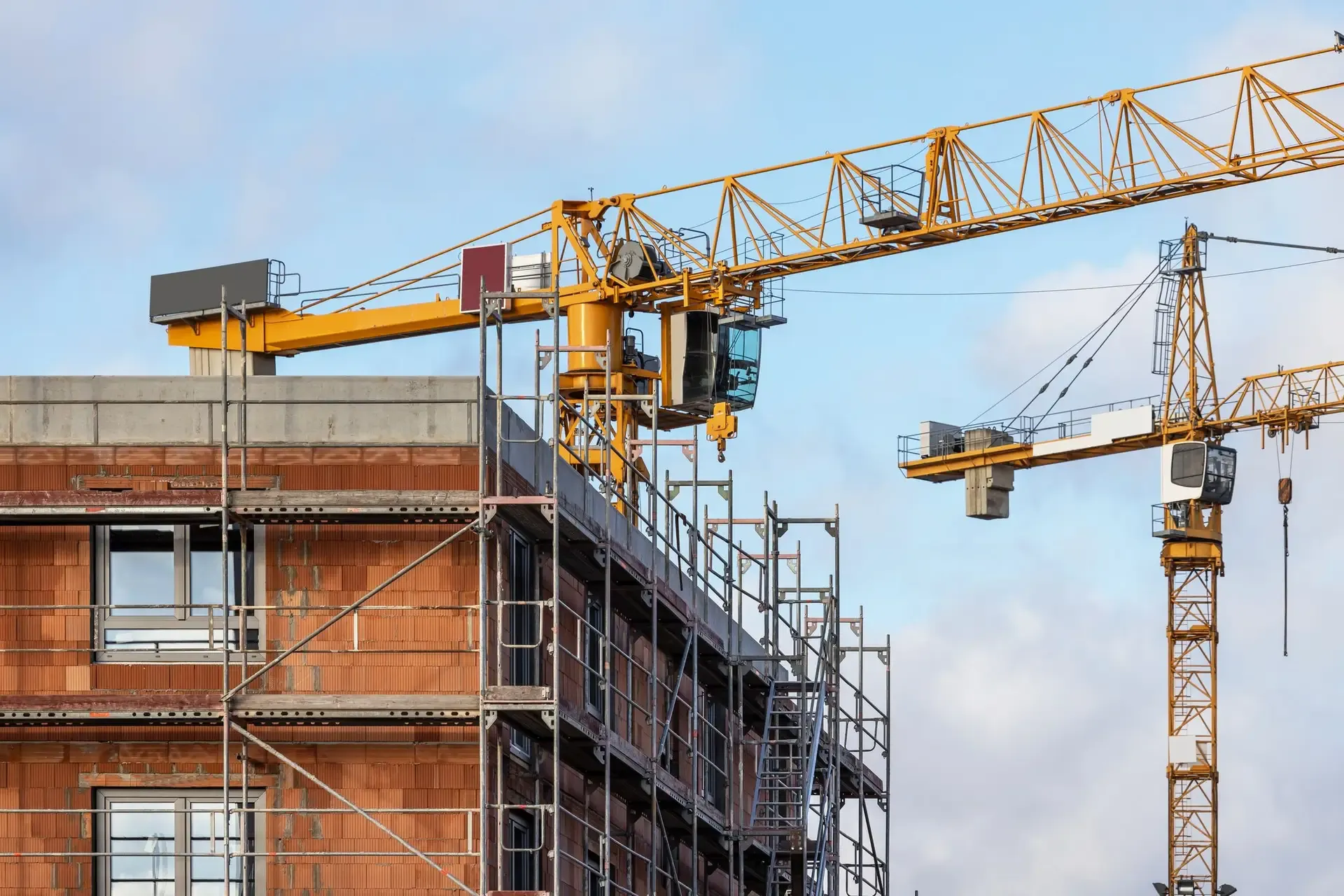
Portugal’s housing supply, therefore, cannot simply be understood as a matter of “building more homes.” What matters more is whether new housing can enter the market quickly enough, in areas where genuine demand exists, and in forms and at price points that the market can absorb. Land development conditions, building permits, urban planning, and infrastructure development all influence the speed and structure of housing supply. Therefore, when examining residential property prices in Portugal, it is not enough to look only at “growing demand.” Whether supply and demand can return to balance is a fundamental factor in understanding the long-term direction of Portugal’s real estate market.
For real estate developers and long-term investors, this lag in supply also means that investment decisions made today are often based on market conditions several years into the future. From land acquisition and capital deployment to the eventual sale or operation of a project, interest rates, financing conditions, construction costs, policies, and market demand may all change.
Real estate development is therefore, in essence, also the long-term management of time, capital, risk, and predictability.
This also explains why institutional stability and policy predictability are so important. For long-term capital, today’s property prices certainly matter, but what matters even more is the ability to assess what the market environment may look like three, five, or even ten years from now.
A real estate market with genuine long-term appeal requires not only sustained demand, but also sufficiently efficient institutions and supply systems capable of responding to that demand.
The Next Stage of Portugal’s Real Estate Market Will Be a Test of National Competitiveness
Over the past few years, Portugal has continued to attract international residents, skilled professionals, businesses, and capital, creating new demand across residential, office, commercial, and other real estate sectors. According to Statistics Portugal (INE), 169,812 residential property transactions were completed in Portugal in 2025, an increase of 8.6% year on year and approximately 13,500 more transactions than in the previous year. The total value of residential property transactions reached €41.2 billion for the year, representing an annual increase of 21.7%.

However, the ability to attract people and capital is only one aspect of a country’s competitiveness. More importantly, when population increases, businesses enter the market, and demand for housing and commercial space grows, the question is whether a country has the capacity to accommodate these changes.
This means more than simply building additional homes. It also involves whether transport networks can expand, whether public infrastructure can keep pace with demographic changes, whether urban planning can unlock new areas for development, whether administrative systems can improve the efficiency of project implementation, and whether the policy environment can provide businesses and investors with long-term certainty.
Although these issues may appear to belong to different areas, they are ultimately reflected in the performance of the real estate market.
Administrative efficiency affects the time required for real estate projects to move from planning to implementation; infrastructure development reshapes urban boundaries and regional value; economic and industrial development determines employment and long-term housing demand; and policy stability influences whether developers and investors are willing to commit to investment cycles lasting several years.
If these areas improve, new housing supply will be better able to respond effectively to market demand, potentially easing the structural price pressures facing the real estate market. At the same time, a more stable institutional environment and greater economic efficiency can also strengthen the confidence of long-term capital in the Portuguese market.
Therefore, the more important question behind the long-term value of Portuguese real estate is whether Portugal can continue to strengthen its competitiveness and transform its international appeal into sustainable long-term development capacity.
Understanding Real Estate Is Also About Understanding a Country
The real estate market is ultimately the result of many different factors working together.
Population determines demand, industries create employment, infrastructure reshapes urban boundaries, policies influence capital flows, administrative efficiency determines how quickly new supply can enter the market, and institutional stability affects whether people are willing to make long-term decisions.
Ultimately, all of these factors are reflected in different ways in residential property prices, rents, housing supply, land values, real estate development, and investment returns.
Property prices, therefore, are not an isolated number, nor are they the only measure of whether a real estate market offers long-term value.
Real estate is a mirror. Behind it lies the way a country plans its cities, responds to demand, implements policy, and builds long-term trust.
Understanding Portugal’s real estate market is also about understanding Portugal itself.