
Why Do So Many Overseas Buyers End Up Regretting Buying Property in Tourist Areas?
For many first-time overseas investors, the logic seems straightforward:
The more tourists a place attracts, the better the property investment must be.
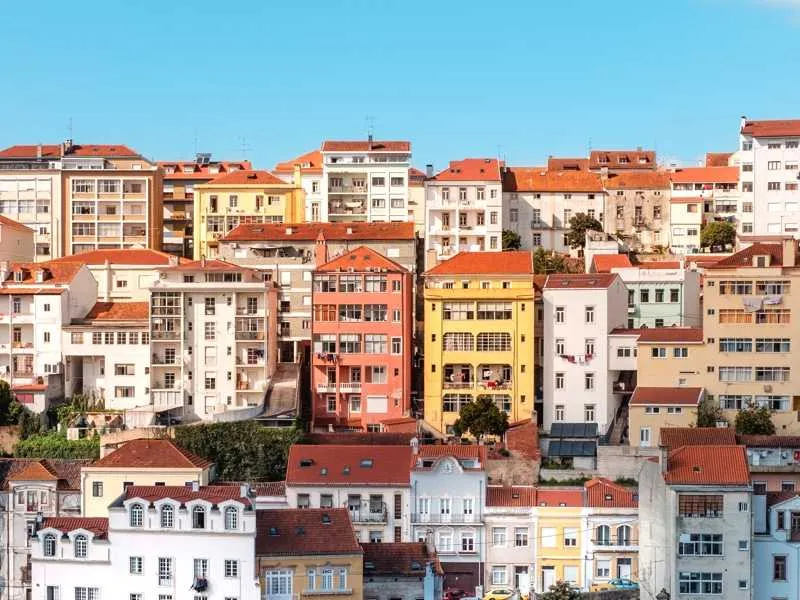
That’s why destinations such as the Algarve, Barcelona, Paris, and Venice are often at the top of buyers’ lists. After all, more tourists usually mean stronger short-term rental demand and potentially higher rental yields.
However, once investors enter the market, many realise that the investment logic behind tourist-area properties is fundamentally different from that of traditional residential real estate.
In Tourist Areas, You’re Not Just Investing in Property, You’re Running a Business
Many property listings proudly advertise short-term rental yields of 8% to 10%, which can sound extremely attractive.
What many buyers overlook, however, is that these returns are not generated by the property alone. They depend heavily on continuous day-to-day operations.
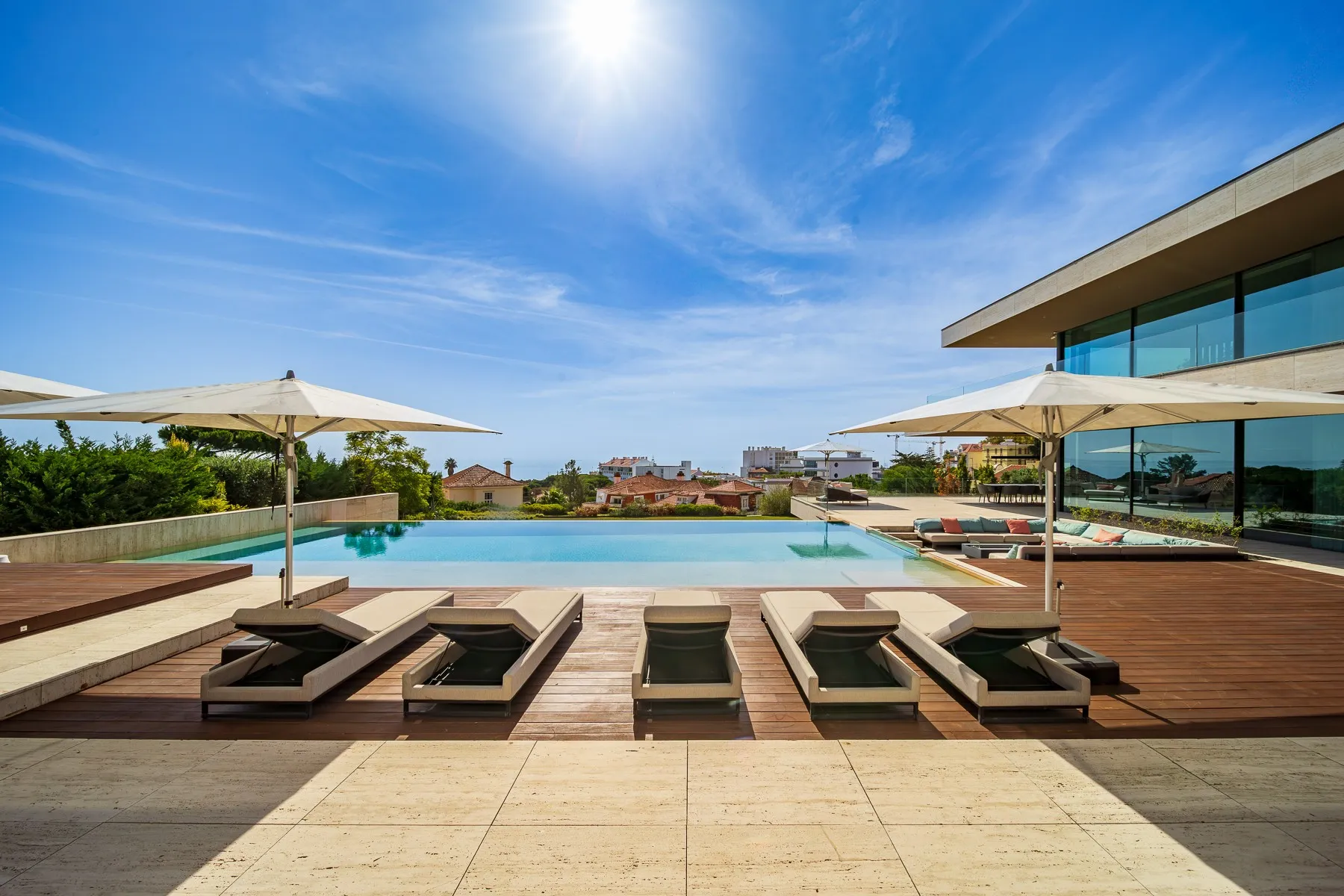
Maintaining high rental income requires much more than simply owning the property. Check-ins and check-outs, cleaning, maintenance, guest communication, and seasonal pricing adjustments all play a crucial role. Without a professional management team, actual returns often fall short of expectations.
In other words, a property in a tourist area is closer to a hospitality business than a passive real estate investment.
The Tourism Market Is More Volatile Than Many People Expect
Tourism demand is far from consistent throughout the year.
The COVID-19 pandemic provided the clearest example. Short-term rental markets in many European tourist destinations came to an almost complete standstill. As visitor numbers dropped, occupancy rates declined rapidly, and rental income fell accordingly.
By contrast, the long-term residential market serves local residents, international students, professionals, and people who actually live in the city. This type of demand tends to be far more stable and is much less affected by fluctuations in tourism.
As a result, while tourist-area properties may offer higher potential returns, they also come with significantly greater volatility.
Changing Regulations Are Making the Short-Term Rental Market More Complex
In recent years, many European countries have begun tightening regulations on short-term rentals.
As tourism has grown, many popular cities have experienced housing shortages and rising rents, prompting governments to introduce stricter controls.

In Portugal, the government has continued to reform the Alojamento Local (AL) licensing system, with some municipalities restricting new short-term rental licences. In Spain, cities such as Barcelona have also introduced tighter regulations on platforms like Airbnb.
This means that an investment strategy built around short-term rentals may face increasing regulatory uncertainty in the years ahead.
For overseas buyers, this is an important factor that should be considered before making an investment decision.
Long-Term Housing Demand Is What Ultimately Drives Property Value
Successful real estate investing isn’t just about how much rent a property can generate today. It’s about whether people will still want to rent or buy that property in the future.
If demand for a property depends primarily on tourists, its value is likely to fluctuate alongside changes in tourism and government policy.
However, if a city continues to attract new residents, create jobs, expand its universities, and grow its industries, housing demand is generally much more resilient.
In the long run, it isn’t tourists who support property values, it’s the people who choose to live there.