

Why Don’t So Many Homes in Europe Have Air Conditioning, Even When Temperatures Reach 40°C?
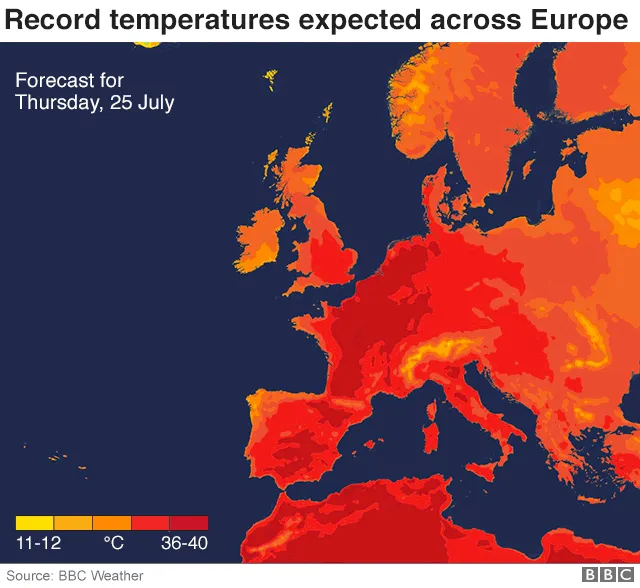
Recently, Europe’s heatwave has made headlines around the world.
Parts of France, Spain, Portugal, and Italy have seen temperatures exceed 40°C, leaving many people wondering:
“If it’s this hot, why don’t Europeans just turn on the air conditioning?”
The truth is, it’s not that they don’t want air conditioning. The reality is that many European homes were never designed to accommodate it in the first place.
Most European Homes Were Never Designed for Air Conditioning
A large proportion of Europe’s housing stock was built decades—or even centuries—ago. Under normal conditions, European summers were never consistently hot, and in many regions, temperatures above 30°C only lasted for a few weeks each year. As a result, air conditioning was never considered a necessity in residential design.
For generations, European architecture focused on keeping homes warm during long, cold winters rather than coping with prolonged summer heat. Buildings were designed with energy efficiency and insulation in mind, featuring thick stone or concrete walls, double-glazed windows, smaller window openings, and well-insulated building envelopes to reduce heating costs.
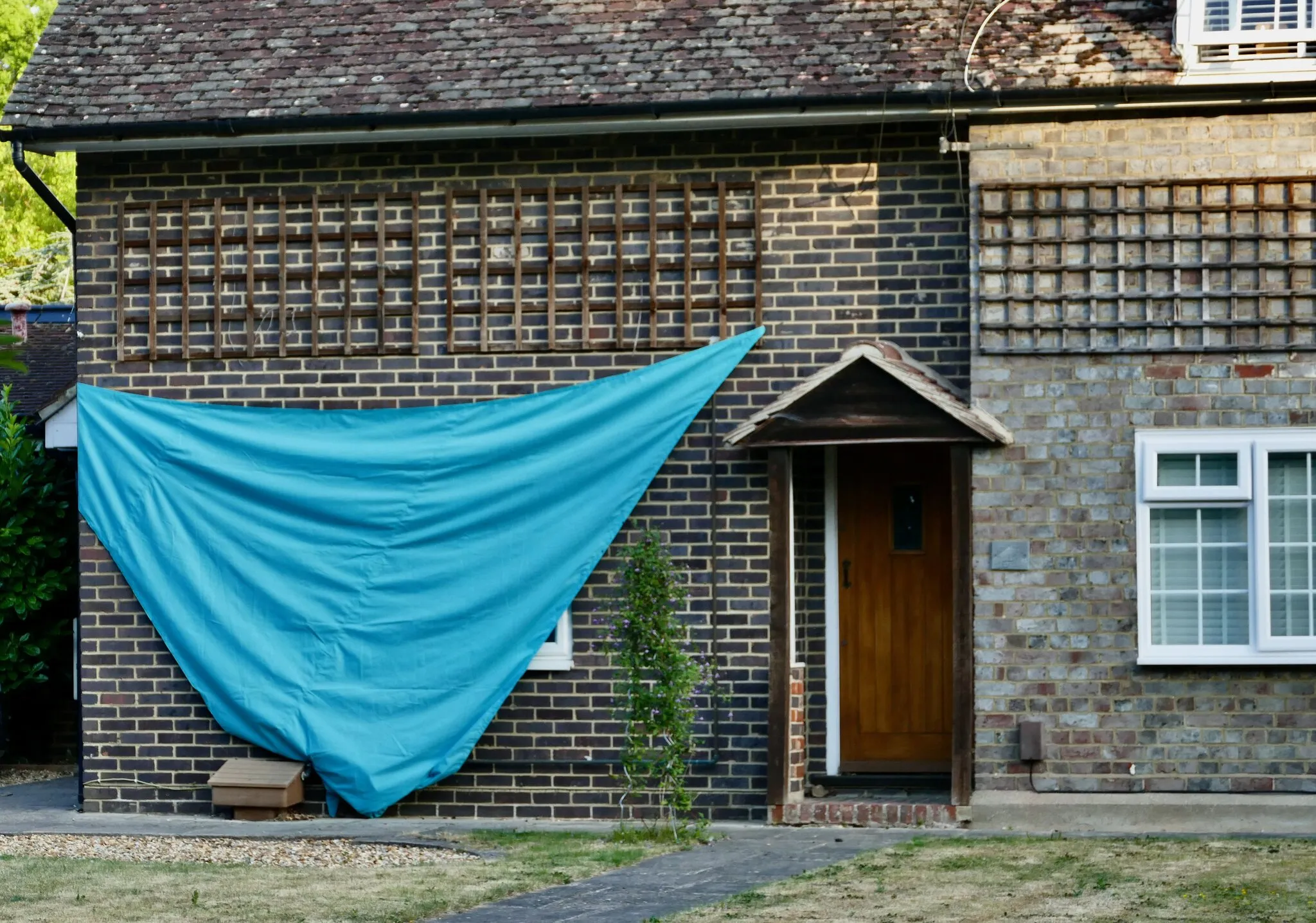
These designs were highly effective for winter living and met residents’ needs for decades. Consequently, most buildings were never constructed with space for outdoor AC units, refrigerant piping, drainage systems, or electrical infrastructure for air conditioning. In other words, when these homes were built, developers simply did not consider air conditioning a standard feature.
Now People Want Air Conditioning—but There’s Nowhere to Install It
As extreme heat becomes more frequent, more homeowners are considering installing split-system air conditioners. However, they quickly encounter another challenge.
A split air conditioning system requires not only an indoor unit but also an outdoor condenser that must be mounted on the building’s exterior wall, along with refrigerant pipes, electrical wiring, and drainage.
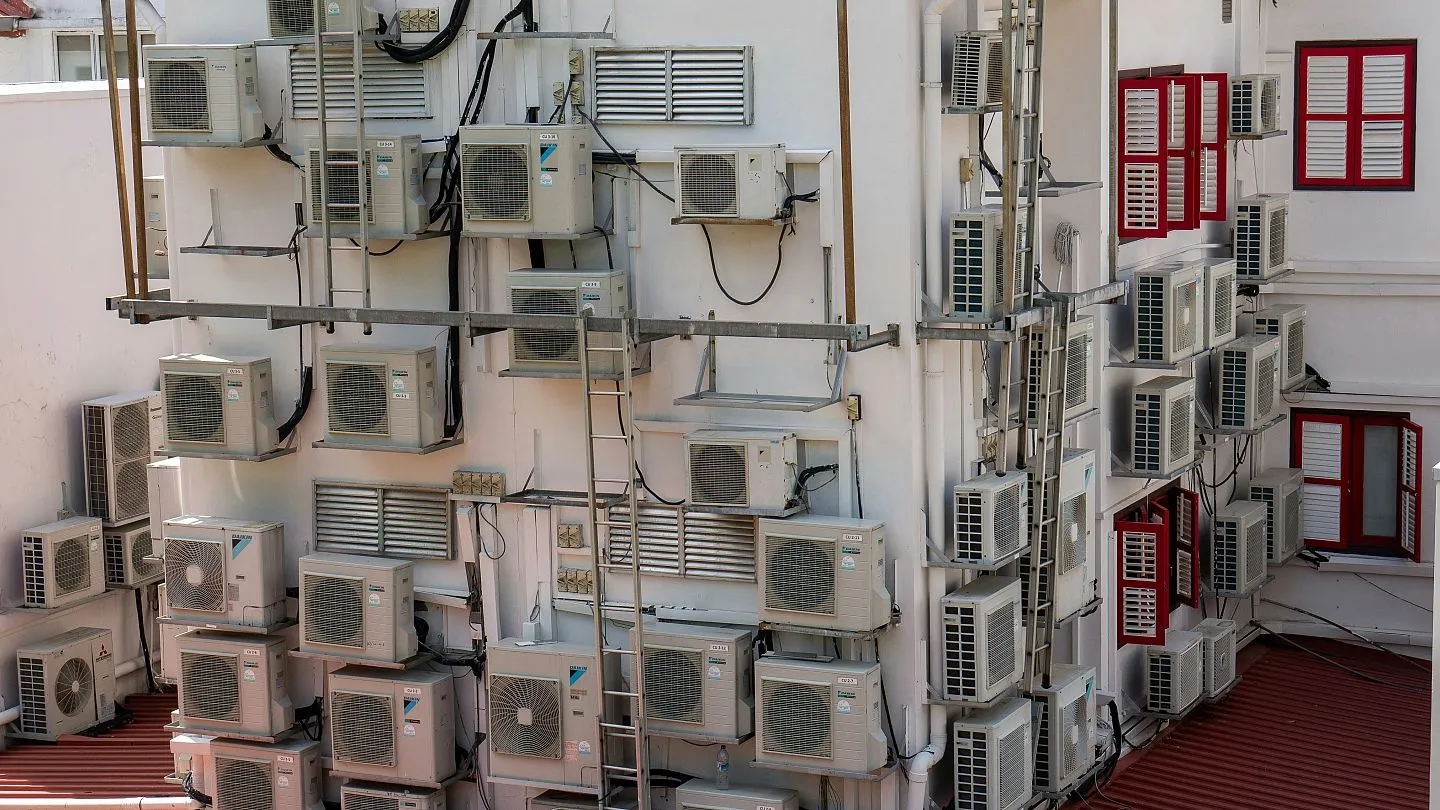
In most European apartment buildings, however, the exterior façade is not owned by an individual apartment owner—it is considered part of the building’s shared property.
This means that even if you own your apartment, you cannot simply drill through the exterior wall or alter the building’s façade. If the building is historically protected, the restrictions become even stricter.
In historic cities such as Paris, Lisbon, and London, many buildings are protected under heritage conservation regulations. Any alteration to the exterior appearance may require approval from the building management, the homeowners’ association, or even the local municipal authorities.
Approval Is Only the First Challenge—Installation Is Also Expensive
Even after obtaining approval, the installation costs are much higher than many people expect.
In France, installing a standard split-system air conditioner typically costs between €1,600 and €3,600. A multi-room system can easily exceed €6,000.
In the UK, a standard residential air conditioning unit usually costs around £600 to £900, while professional installation often adds another £1,000 to £1,400.
For many households, spending several thousand euros—and navigating a lengthy approval process—simply isn’t worthwhile for what was traditionally only a few weeks of hot weather each year.
New Homes in Europe Are Already Adapting
As extreme heat events become more frequent, the European construction industry is beginning to adapt.
More newly built residential developments are now designed with air conditioning infrastructure in place, and some already include central air conditioning or heat pump systems as standard. Building regulations in several countries are also placing greater emphasis on summer thermal comfort and energy-efficient cooling.
In other words, the homes people see on social media without air conditioning are mostly buildings that were constructed decades—or even centuries—ago. The climate of the past meant that air conditioning simply wasn’t necessary. Today’s changing climate, however, has made these older buildings much harder to adapt.
So the answer to “Why don’t homes in Europe have air conditioning?” isn’t simply about lifestyle or personal preference. It is the result of architectural design choices made decades ago, shared ownership regulations, historic preservation laws, and the growing impact of climate change.
Meanwhile, Europe’s newest residential developments are gradually being designed to meet the demands of a changing climate.