
Why Didn’t Portuguese Property Prices Fall After the Golden Visa Property Route Was Abolished?
In 2023, Portugal officially ended the Golden Visa pathway through residential real estate investment.

At the time, many people assumed that fewer foreign buyers would mean lower demand, leading to a decline in property prices. However, two years later, the market has evolved very differently from what many expected.
Property prices in Portugal have not fallen. In fact, many cities have continued to experience steady growth.
So, why did this happen?
The Golden Visa Was Never the Main Driver of House Prices
For years, many people believed that the Golden Visa programme was responsible for pushing Portuguese property prices higher. As a result, it seemed logical to assume that once the programme ended, prices would fall.
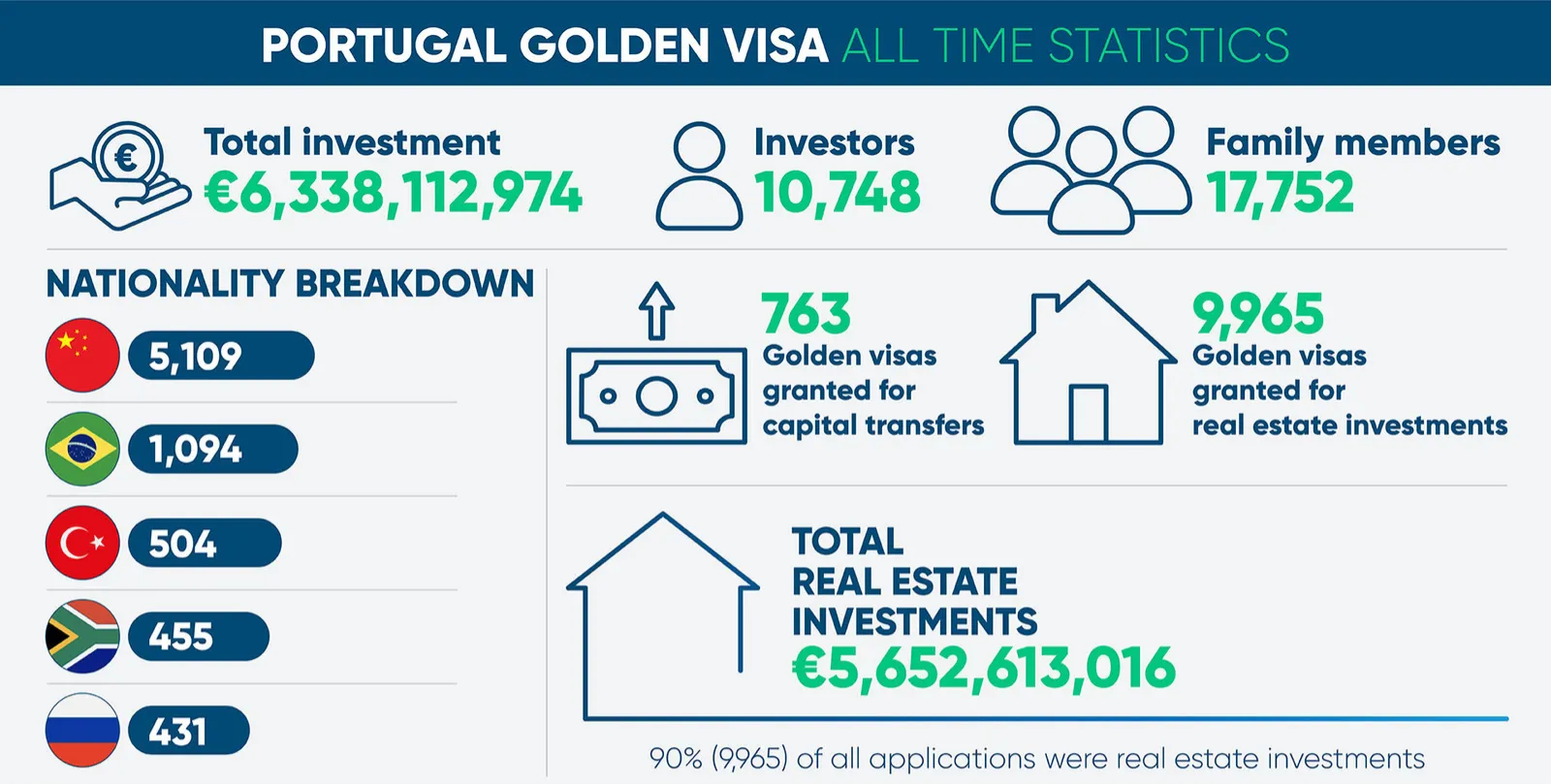
In reality, while the Golden Visa did attract significant international capital, its impact was concentrated mainly in specific segments of the market, particularly high-end properties. It was never representative of the Portuguese real estate market as a whole.
The real force behind rising property prices has always been people who need a place to live.
Portugal Continues to Attract New Residents
Over the past few years, Portugal has experienced rapid growth in its foreign resident population. By 2025, the number of foreign residents had exceeded one million, representing approximately 10% of the country’s population.
These people are not coming to Portugal simply as tourists. They are moving here to live, work, study and build their lives.
They need rental accommodation, and many eventually need to buy homes as well.
This creates a very different type of demand from investment-driven demand. Even if some investment activity slows down, property prices can continue to rise as long as housing demand keeps growing.
The End of the Golden Visa Had Little Impact on Many Cities
What many people do not realise is that the abolition of the Golden Visa property route had very little direct impact on many Portuguese cities.
The reason is simple: Golden Visa investment was always highly concentrated. For more than a decade, most Golden Visa applicants focused on internationally recognised locations such as Lisbon, Porto and the Algarve, particularly city-centre apartments, luxury residences and tourism-oriented properties.
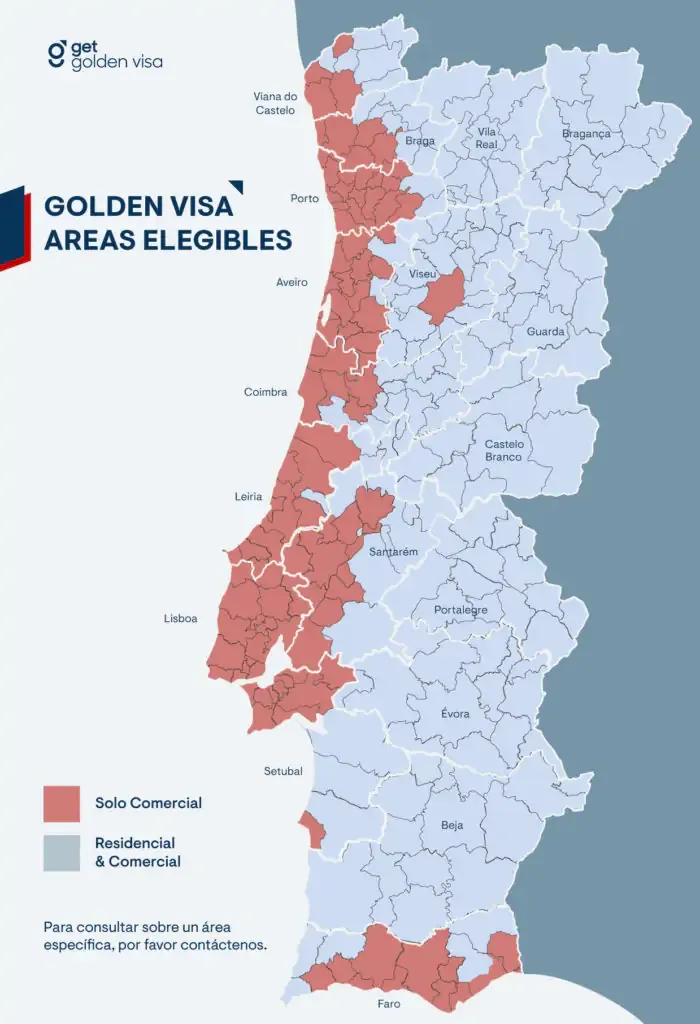
These areas undoubtedly benefited from foreign investment and became the most frequently discussed parts of the Portuguese property market. However, cities such as Braga, Coimbra and Aveiro were never major Golden Visa destinations.
The growth of these cities has always been driven by different factors: universities, employment opportunities, local population growth and increasing long-term housing demand.
Looking back, the end of the Golden Visa programme revealed a more fundamental truth about the Portuguese property market: Property prices are not primarily driven by immigration policies. They are driven by whether more people want to live there.
Cities supported by population growth and genuine housing demand can continue to perform well even without the support of a Golden Visa programme. This is one of the reasons why cities such as Braga and Coimbra continue to attract investors today.
If part of Portugal’s property market was once policy-driven, it is increasingly becoming demand-driven. And for real estate, long-term residential demand is often a much stronger and more sustainable foundation than any government programme.