

Why Is Portugal's Property Market Continuing to Heat Up? International Talent Is Becoming a New Growth Driver
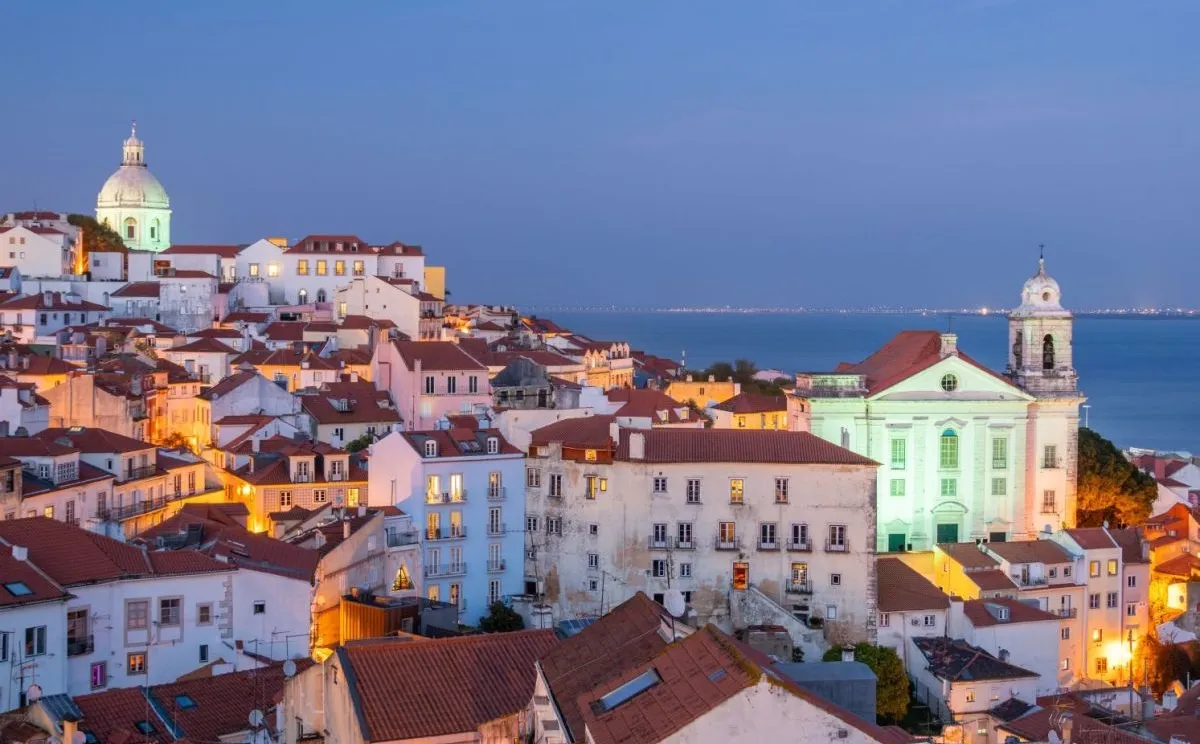
For many years, Portugal has been one of Europe’s most popular tourist destinations, with tourism remaining a key pillar of the national economy. However, as global mobility and international capital allocation continue to evolve, the country’s international appeal is gradually shifting.
An increasing number of analysts believe that Portugal is no longer simply attracting tourists—it is also attracting international professionals, entrepreneurs and families who are choosing to live, work, invest and plan their future in the country.
This trend is also reshaping Portugal’s property market. In recent years, housing demand in Lisbon, Cascais, Porto and the Algarve has continued to grow, driven not only by tourism but also by a rising number of international residents, remote workers, high-net-worth individuals and long-term investors.
According to the latest research by Julius Baer, high-net-worth individuals are placing increasing importance on political stability, security, institutional quality, healthcare, education and overall quality of life when deciding where to live and allocate their global assets, rather than focusing solely on investment returns or tax considerations.
Against this backdrop, Portugal has emerged as an increasingly competitive destination. As a member of both the European Union and the Eurozone, the country offers political and institutional stability, a safe living environment, a favourable climate and a high quality of life, making it an attractive choice for international families and professionals. For those who can work remotely, manage businesses across borders or diversify assets globally, Portugal is becoming an important part of their long-term planning.
Analysts point out that this shift is also influencing the country’s property market. A growing share of housing demand now comes from international families seeking a permanent residence, quality education for their children, retirement opportunities or a long-term European base, rather than from purely investment-driven buyers.
At the same time, Portugal faces new challenges. As the number of international residents continues to rise, housing supply has not kept pace with growing demand. Industry experts generally agree that maintaining the long-term health of the market will require increasing housing supply, streamlining planning and approval processes, accelerating urban regeneration and continuing to improve infrastructure to meet increasingly diverse housing needs.
Industry observers also note that, as the global mobility of talent and capital continues to increase, competition between countries is no longer limited to attracting businesses and investment. It increasingly centres on attracting people who are looking to build their lives and establish long-term roots. Portugal has developed a strong competitive position in this regard over recent years, but balancing its international appeal with the housing needs of local residents is expected to remain one of the key challenges for the country’s property market and urban development.
Reference link:
For more details, please refer to: https://adlinvestment.com/en/about/